
|
Getting your Trinity Audio player ready...
|
In the realm of digital marketing, where every click counts, a well-designed landing page can make all the difference. Landing pages serve as the gateway to conversions, enticing visitors to take action, whether it’s making a purchase, signing up for a newsletter, or downloading a resource. But what exactly is a landing page, and how can you create one that captivates your audience? Let’s delve into the world of landing pages.
What is a Landing Page?
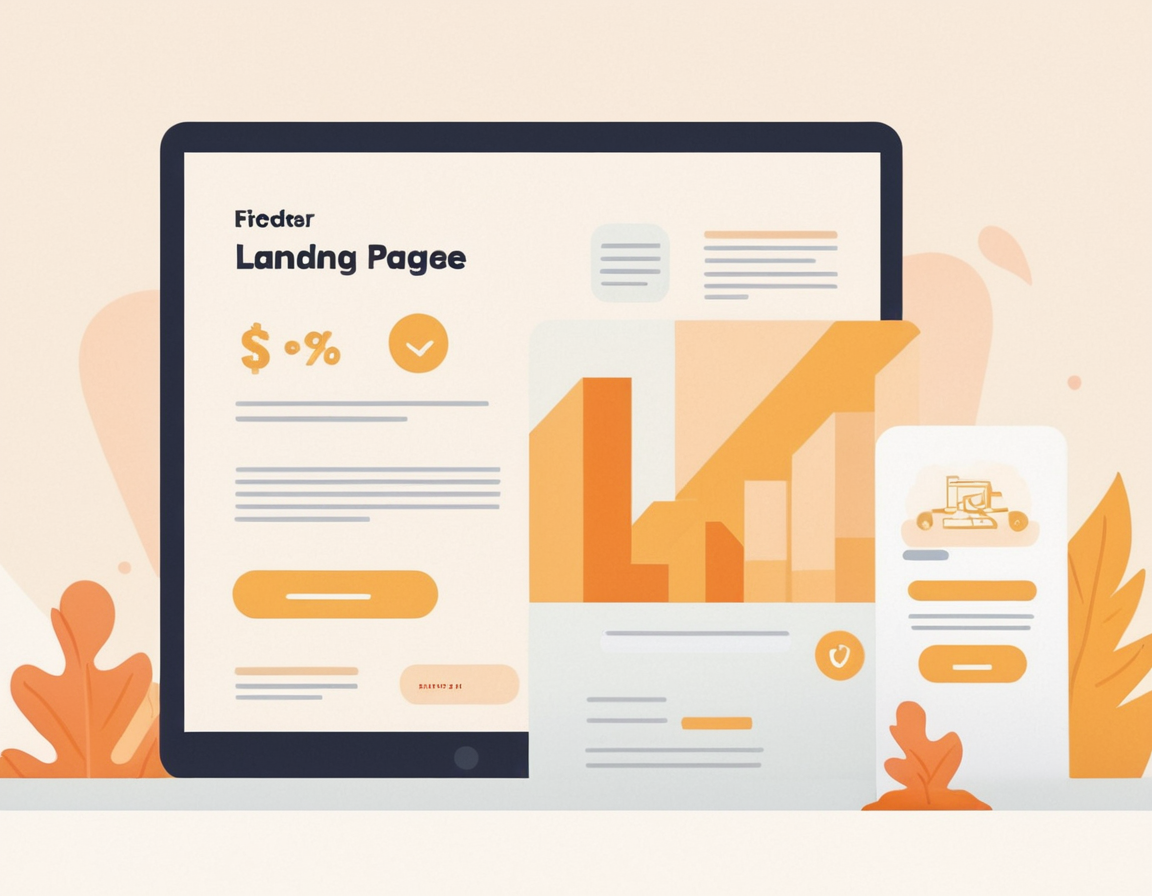
A landing page is a standalone web page designed with a specific purpose in mind, such as generating leads or driving sales. Unlike typical web pages, which serve multiple purposes and cater to various audiences, landing pages are focused and laser-targeted. They are often used in conjunction with digital marketing campaigns, such as pay-per-click (PPC) ads, email marketing, or social media promotions, to guide visitors toward a desired action.
The Anatomy of a High-Converting Landing Page
- Compelling Headline: The headline is the first thing visitors see when they land on your page. It should be clear, concise, and attention-grabbing, conveying the unique value proposition of your offer.
- Engaging Visuals: Visual elements such as images, videos, or graphics can help capture the visitor’s attention and communicate key messages effectively. Use high-quality visuals that are relevant to your offer and resonate with your target audience.
- Persuasive Copy: The copywriting on your landing page plays a crucial role in persuading visitors to take action. Keep it concise, benefit-focused, and tailored to the needs and pain points of your audience. Use persuasive language and compelling calls-to-action (CTAs) to encourage visitors to act.
- Clear Call-to-Action (CTA): Your CTA is the linchpin of your landing page. Make it prominent, persuasive, and action-oriented. Use actionable language and consider using contrasting colors or buttons to make it stand out. Also, ensure that the CTA aligns with the desired action you want visitors to take.
- Social Proof: Incorporating social proof elements such as customer testimonials, reviews, or case studies can help build credibility and trust with your audience. Showcase positive experiences from satisfied customers to alleviate any doubts or objections visitors may have.
- Form or Opt-In: If your goal is to capture leads, include a form or opt-in section on your landing page. Keep the form fields minimal and only ask for essential information. Consider offering incentives such as free trials, discounts, or gated content to encourage form submissions.
- Mobile Optimization: With a growing number of users accessing the internet on mobile devices, it’s essential to ensure that your landing page is optimized for mobile responsiveness. Test your page across different devices and screen sizes to provide a seamless experience for all users.
Best Practices for Creating Landing Pages
- Set Clear Goals: Before designing your landing page, define clear and specific goals. Whether it’s increasing sales, capturing leads, or promoting an event, align your landing page design and messaging with your objectives.
- Keep it Simple: Avoid clutter and distractions on your landing page. Focus on delivering a clear and concise message that resonates with your audience and guides them toward the desired action.
- A/B Testing: Experiment with different elements of your landing page, such as headlines, visuals, CTAs, and form layouts, through A/B testing. Analyze the results to identify what resonates best with your audience and optimize accordingly.
- Track and Analyze Performance: Utilize web analytics tools like Google Analytics to track the performance of your landing pages. Monitor key metrics such as conversion rate, bounce rate, and time on page to identify areas for improvement and refine your strategies.
- Continuous Optimization: Landing page optimization is an ongoing process. Regularly review and update your landing pages based on performance data, user feedback, and changes in market trends to ensure optimal results.
Conclusion
A well-crafted landing page is a powerful tool in your digital marketing arsenal, capable of driving conversions and maximizing the ROI of your campaigns. By understanding the key components and best practices of landing page design, you can create compelling and effective pages that resonate with your audience and guide them toward taking action. Remember, the journey doesn’t end with the creation of your landing page; continuous testing, optimization, and refinement are essential to unlocking its full potential. Ready to craft your perfect landing page? Follow the principles outlined above, experiment with different strategies, and watch your conversions soar. Happy landing!


